Ayurveda has been around for something like 3,000 years. Kingdoms came and went. Steam engines arrived, then smartphones. And still, every single morning somewhere in Kerala, someone is warming a pot of oil for an Abhyanga. Why has it lasted? Simple. It keeps working for people.
Some of you will already know Ayurveda well. For the rest of us, it can look like a lot to take in at first. Doshas. Agni. Sanskrit on every page. So what does it actually do for someone living in 2026, with a phone buzzing every four minutes? Quite a lot, as it turns out. Here are the benefits of Ayurveda we see again and again, in our own lives and in the guests who walk through our gate in Fort Kochi.
What Is Ayurveda, and Why Does It Still Matter Today?
Ayurveda is the old medical system of India, and the name means “knowledge of life.” A doctor trained in it won’t just ask about the one thing that hurts. They’ll ask what you eat, when you sleep, how work is going, and even what the weather’s been like. That’s why it suits the way we live now. Think about it. Stress, bad sleep, a tummy that’s always a bit off, and a few extra kilos every year. Most of it comes from what we do every day, and Ayurveda looks for these small things early and sorts them out bit by bit.
1. A Health System Born From Nature
Ayurveda says five things make up everything around us: space, air, fire, water, and earth. The same ones that make up the monsoon cloud, the coconut palm, and the river outside. The word itself means “knowledge of life,” and that covers all life, not only ours.
Following Ayurveda just means living a bit more in tune with nature again. That’s what natural healing with Ayurveda really means. Herbs from the forest, food from the field, and sleep when it’s dark. Nothing cooked up in a lab last Tuesday.
2. Health That’s Built Around You
No two people get the same plan. Ever. According to Ayurveda, you’re born with your own mix of Vata, Pitta, and Kapha, the three doshas, and this mix is called your prakriti. It decides a lot about you, like how you’re built, how hungry you get and how quickly you lose your temper.
Two people with acidity might walk out of the same clinic with completely different advice. One gets told to cut the chillies and the late-night coffee. The other? Eat breakfast, for heaven’s sake. Same symptom, different person, different answer. Among all the Ayurveda health benefits, this one might matter most.
3. Prevention Comes First
We usually see a doctor only after we start feeling ill. Ayurveda tries to notice problems much sooner. Around two thousand years ago, the surgeon Sushruta wrote about six stages of illness. Stage one? A dosha quietly piling up. No pain. Nothing on the blood report.
If you catch it then, you usually only need a few small changes. A diet change. Better sleep. A short course of herbs. That’s the real power behind the benefits of Ayurveda: keeping healthy people healthy, not just patching up sick ones.
4. Better Digestion, Better Everything
Ask a vaidya where health starts. Watch the finger go straight to your stomach. Digestive fire, they call it. Agni. Strong agni? Properly hungry at one, light by three, sharp all afternoon. When it’s weak? Bloating. Gas. That 3 pm slump.
Eat food that’s warm and cooked fresh. Have lunch and dinner at about the same time each day. Before meals, chew a thin slice of ginger with a pinch of salt and a squeeze of lime, like our grandmothers used to. Most people feel better within two weeks.
5. Reduces Mental Stress and Anxiety
Long work hours, traffic, and a phone that keeps buzzing. According to Ayurveda, this kind of life pushes up Vata, the dosha that controls movement. Hence the brain that won’t switch off at 2 am, replaying some WhatsApp message from Tuesday, and that tight, anxious feeling in your chest by evening.
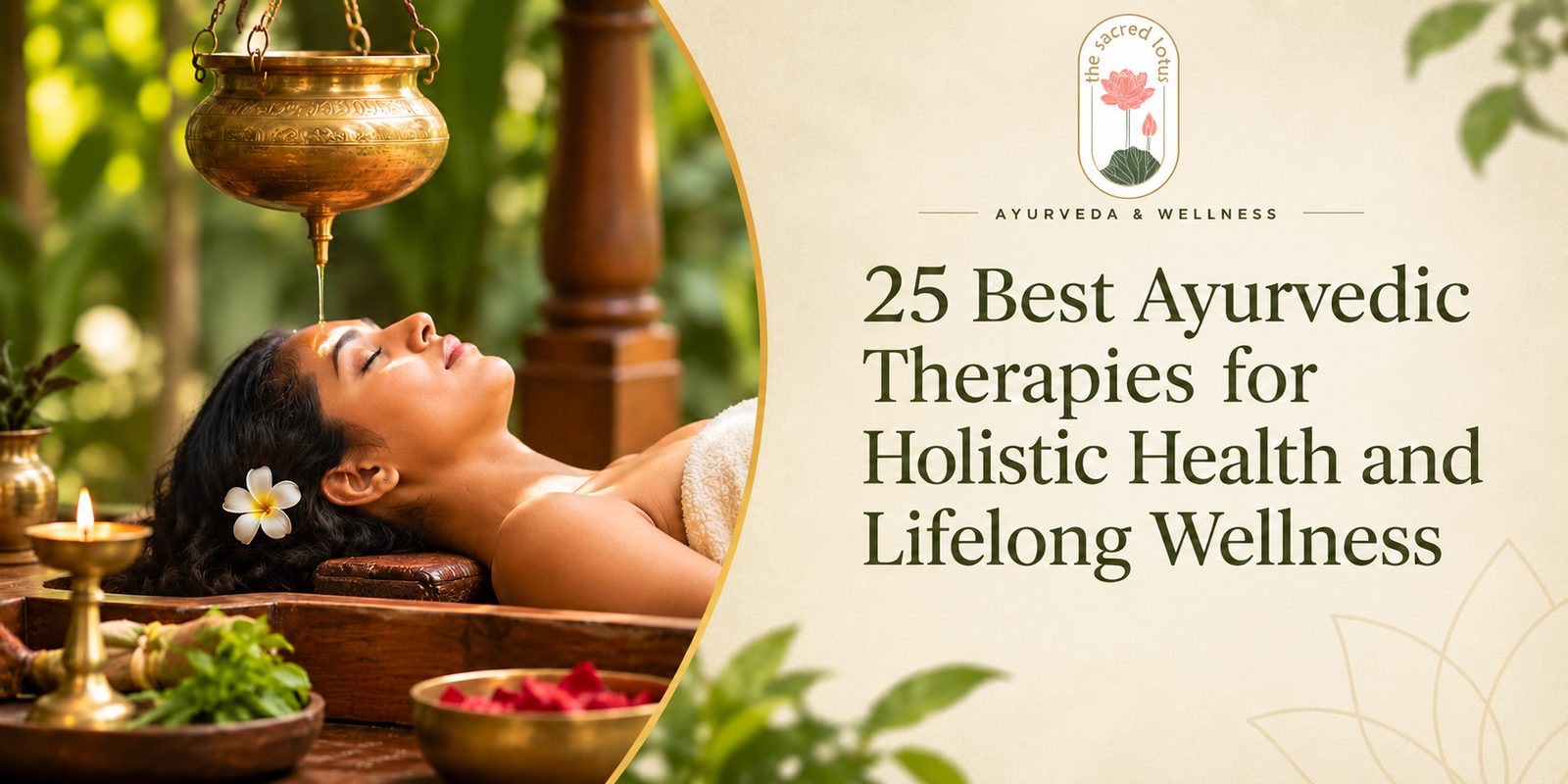
Ayurveda’s answer? Warmth, oil, sameness. Ten minutes of self-massage before your bath. Bed at the same hour, even on Sundays. Shirodhara helps a lot too: warm oil is poured slowly on your forehead for about half an hour, and many guests fall asleep before it’s over. Doing some breathing exercises every day in our yoga and meditation programs also helps calm a busy mind.
6. A Practical Roadmap to Sustainable Living
“Sustainable.” You hear that word everywhere these days. Ayurveda defines it pretty simply. Does it wear you down? Unsustainable. Does it support life? Keep it.
Perfection isn’t the goal. Nudge. That’s the word. One better choice this week, another next month. Compare that with the keto plan you quit on day nineteen.
7. You Take Charge of Your Own Health
This is one of the quieter benefits of Ayurvedic medicine. It hands you the tools. Which foods sit well with you? You find out if you need seven hours of sleep or nine. You learn what upsets your balance, whether it’s rainy weather, a long trip or that extra cup of tea.
You’ll still need to see your doctor, of course. Between appointments, though? Your health, your call.
8. Living in Step With the Seasons
We dress for the weather. Ayurveda is stricter. It wants your plate, your bedtime, and your workout to shift with the weather too. Ritucharya, they call it. The seasonal routine.
Kerala grandmothers know this without a textbook. In Karkidakam, the month with the heaviest rain, families go for rejuvenation treatments and make karkidaka kanji, a rice porridge cooked with herbs. April heat? Drink tender coconut water and buttermilk, and cut down on chilli. December’s cool spell? Use a bit more oil and ginger. You’ll catch fewer colds when the weather changes.
9. Getting to the Root of Stubborn Health Problems
Some health problems never quite leave. Joint pain that comes back every monsoon. Skin that flares with stress. A gut that’s never quite right.
Ayurvedic doctors dig for causes. Three fingers on your pulse. A long look at your tongue. After that, they ask you a lot about your sleep, your toilet habits, and your stress levels. Based on what they find, they decide on your treatment, which could be diet changes, herbs, therapies or sometimes a detox. This is what holistic healing in Ayurveda looks like in real life.
10. Kinder to Your Body, and Your Self-Talk
Here’s something nobody warns you about. You start being less hard on yourself. Kapha bodies are built solid, like an old jackfruit tree. Vata types stay skinny no matter how many porottas they put away. Flaws? No. It’s just how you’re built.
Get that, really get it, and scrolling past those Instagram bodies stings a lot less. You stop wrestling your own nature. You start working with it.
11. Fewer Fights at Home
The doshas shape personality too. That partner who forgets every plan you make? Possibly very Vata. The sibling who snaps when lunch runs late? Pitta, almost certainly.
Knowing this doesn’t excuse bad behavior. But it takes the sting out. Send the Vata friend an extra reminder. Feed the Pitta one on time. Fewer arguments.
12. Smoother, More Focused Workdays
Try it at the office too. The team lead who wanted everything yesterday? Pitta. The designer with brilliant ideas and zero sense of deadlines? Vata, surely. Once you see this, you stop getting upset over it.
You can also follow dinacharya, which is just a simple daily routine. Up early. Big lunch, small dinner. The laptop shut by eight. Boring? Maybe. But you’ll find it easier to concentrate, and this is Ayurveda for modern lifestyles used in a very practical way.
13. Healthier Skin and Hair From the Inside Out
In Ayurveda, looking good and being healthy go together. If your skin looks dull, the doctor will ask about your digestion before anything else. Then your sleep. Then your oils.
Abhyanga stops skin from cracking when the dry season hits. Neelibhringadi hair oil has sat on Malayali dressing tables for generations, usually beside a comb nobody else is allowed to touch. Nothing synthetic. Just steady, patient care.
14. Detoxification Therapies Without the Fads
Juice cleanses the trend for a summer, then vanishes. Panchakarma, which is Ayurveda’s main set of detoxification therapies, has been used for about two thousand years. It’s done step by step, and a doctor sees you every day. First you get oil treatments and herbal steam, then the main cleansing, and after that you slowly go back to normal food, starting with rice gruel.
Forget the weekend-spa idea. Two to four weeks makes a proper course. What do people say afterwards? Lighter. Sleeping through the night. Head clearer than it’s been in years.
15. A Life Philosophy That Grounds You
No temple visits required. You don’t need any religious belief to follow Ayurveda. But after a few months, you’ll notice its way of thinking has become part of you. Balance. Rhythm. And a feeling that you’re connected to nature and the people around you.
Everything seems to move faster these days. Something that slows you down and roots you a little? People rarely talk about it, but it may be one of the best benefits of Ayurveda.
What Modern Conditions Does Ayurveda Address Effectively?
Ayurveda works especially well for long-term problems that come from the way we live. The table below shows how it understands and treats some of the most common ones.
| Modern Health Challenge | Ayurvedic Understanding | Treatment Approach |
|---|---|---|
| Constant stress and worry | Too much Vata; the nerves are overworked | Shirodhara, Abhyanga, breathing practice, meditation, and a regular routine |
| Trouble sleeping | Vata or Pitta keeping the mind awake | Thalapothichil, oil massage, an early light dinner, calming herbs |
| Acidity, gas, bloating or IBS | Digestive fire (agni) is weak and undigested waste (ama) builds up | Herbs that help digestion, eating on time, and Ayurvedic food chosen for your dosha |
| Joint and back pain | Vata stuck in the joints, often with ama | Kati Vasti, Elakizhi, Pizhichil and gentle yoga |
| Hormone problems such as PCOS or irregular periods | Doshas out of balance, affecting the reproductive system | Herbs chosen for your body type, diet changes, Panchakarma if needed |
| Skin that keeps flaring up | Too much Pitta and heat in the blood | Cooling food, Virechana, herbal pastes and oils |
| Weight gain and feeling sluggish | Too much Kapha and a slow metabolism | Udwarthanam, Virechana, lighter meals, more movement |
Please don’t use Ayurveda in place of your regular doctor. Use it along with them. If you take any medicines, keep taking them, and let both doctors know.
How to Start Enjoying These Benefits
Go small. A tumbler of warm water before your chai. A copper tongue scraper. Lunch as your biggest meal. Try to be asleep by half past ten. Small Ayurvedic wellness practices like these cost almost nothing, and they show you what the system is really about.
Want the full experience with expert guidance? Our Ayurvedic retreat in Kochi sits in the old heritage lanes of Fort Kochi. Day one, you sit down with one of our physicians. Pulse, tongue, questions. Then we shape your program around what they find, whether that’s a full detox or one of our gentler rejuvenate programs: medicines made fresh, classical therapies, and meals cooked for your body type.
Final Thoughts
There’s a lot more to the benefits of Ayurveda than oils and herbs. A calmer gut. Deeper sleep. Quieter evenings. A body you finally understand. Start with just one habit this week. Notice what changes. Then pick another.
Frequently Asked Questions
A happier gut. Calmer nerves. Deeper sleep. Fewer seasonal sniffles. Better skin. And a health plan written for you, not for “people in general”. Prevention underpins the lot.
Yes. Most habits take minutes. Warm water at sunrise, meals at fixed times, five minutes of oil before a shower.
Honestly, it depends. Small daily changes? Often two to four weeks. Panchakarma and other deep treatments run 14 to 28 days.
Usually, yes, as long as a qualified BAMS doctor prescribes and you tell both doctors what you’re taking. A handful of herbs don’t mix well with certain drugs, so full disclosure matters.
The monsoon, roughly June to September. Cool, damp air helps the body soak up medicated oils, which is why Karkidakam has always been treatment season here. Good programmes still run all year round, though.