
As the summer season is really harsh in most parts of India and takes away all the energy with it. We all desperately seek relief from the monsoon season, as it brings along a fresh cheer and scenic greenery. However, the monsoon season is also the time when the humidity remains at its peak. It is an absolutely suitable and favorable climate for germs, insects, and mosquitoes, and this acts as an excellent breeding ground for them during this time.
During monsoons, mosquito-borne and water-borne diseases like Common flu, viral fever, cold, cough, sore throat, Malaria, Dengue, Cholera, Typhoid, Hepatitis A, etc., are also on the rise. Thus, our body requires some extra nourishment and care to prevent such occurrences of diseases and flu. A nutrient-rich diet and a balanced lifestyle can help stabilize Vata and Pitta and keep you healthy and fit throughout the rainy season.
What food should be consumed in Monsoons as per Ayurveda?
The humid weather during the start of the monsoon makes you fall prey to disease, and your digestive system becomes sluggish. If the digestive system is not functioning well, then problems like gas, acidity, indigestion, bloating, and constantly feeling full may arise, and trust me,s these issues are not the ones you may ask for at any point in time. Hence, to keep the digestive system on track, you need to watch what you are putting into your system.
Here are some dietary tips to follow this monsoon season:
- • Incorporate Cow Ghee: Ghee is the most significant ingredient in Ayurveda. Desi cow ghee is known to stimulate the digestive juices and help the body to absorb nutrients, and simultaneously improve the metabolic rate.
- • Ginger: It has anti-microbial and anti-inflammatory properties. It helps the body to break down food faster and absorb the essential nutrients. It also helps to prevent gastric inflammation and is an excellent remedy for an upset stomach. It also boosts the immunity and increases the resistance power.
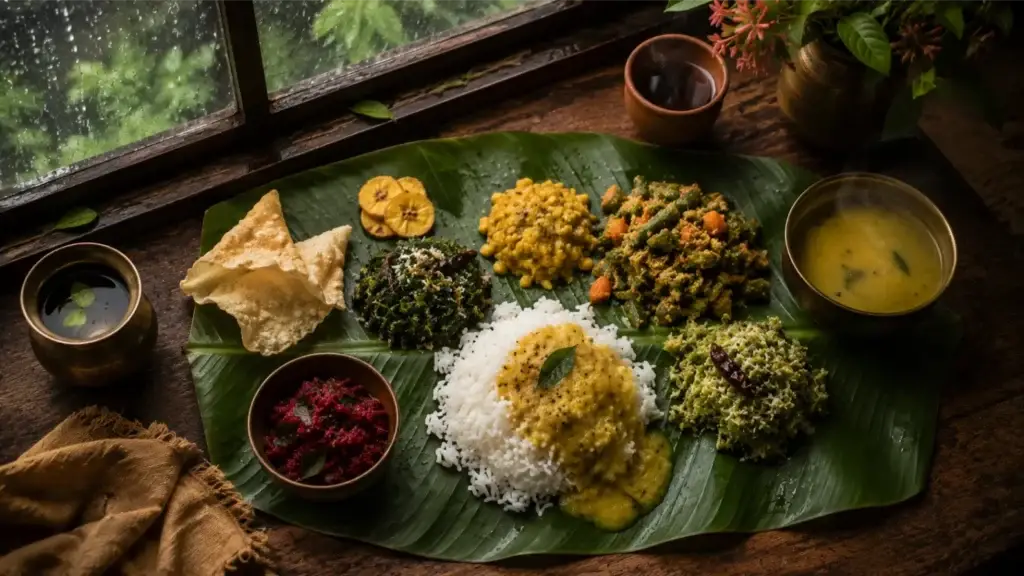
- • Consume warm home-cooked food: Nothing beats the fresh home-cooked meal with all pure ingredients and without any junk or adulteration. Make sure to consume warm, fresh food daily. Foods like rice, barley, wheat, pulses, or green gram in the form of freshly cooked meals will help.
- • Vegetables: Include vegetables such as pumpkin, bottle gourd, drumstick, ridge gourd, garlic, and fenugree, which are beneficial and supportive to sustain the body tissues and maintain gut health.
- • Tulsi: The leaves of the pious Tulsi hold a significant place in Hindu Mythology and also in Ayurveda. It consists of anti-bacterial, anti-oxidant, and anti-microbial properties, which help to prevent and fight viruses and flu. Incorporate tulsi leaves or juice daily in your routine and enhance your immunity.
Foods not to consume in Monsoon:
- • Avoid eating fish and seafood: We should avoid fish and other seafood items to be consumed during the monsoon due to the higher risk of water-borne diseases.
- • Avoid spicy and oily foods: Avoid eating too spicy and oily foods to prevent the occurrence of diseases.
- • Raw Salads: Raw vegetables can carry bacteria and other pathogens. It’s safer to eat cooked vegetables instead.
- • Street Food: We often crave hot fritters in the monsoon; however, street food might contain water that may not be clean, increasing the risk of gastrointestinal infections. Avoid items like golgappas, chaats, and samosas from street vendors.
Remember to stay hydrated and consume fresh home cooked meal made with fresh ingredients, and cut off from having any kind of junk food,d and incorporate herbs and spices inyour mealsl to stay fit aand protectyour body from harmful viral infections and diseases.