
In a world increasingly dominated by fast-paced lifestyles and synthetic solutions to health, the age-old therapy of Panchakarma is experiencing a significant resurgence. Rooted in the ancient Indian science of Ayurveda, Panchakarma, which translates to “five actions,” is a holistic detoxification process designed to cleanse the body of toxins, rejuvenate the mind, and restore the natural balance of the body’s doshas. As modern science begins to acknowledge the benefits of holistic approaches to health, Panchakarma is being celebrated for its profound ability to promote long-term wellness and vitality
Panchakarma therapy is meticulously conducted in three distinct phases: The Poorvkarma (preparatory phase), the Pradhankarma (main phase), and the Paschatkarma (post-treatment phase). This structured approach ensures a comprehensive and deeply transformative healing experience.
Panchakarma Therapy and its phases
1. The Poorvkarma: Preparatory Phase
The Poorvkarma phase is all about preparing the body and mind for the intensive detoxification process. This phase includes:
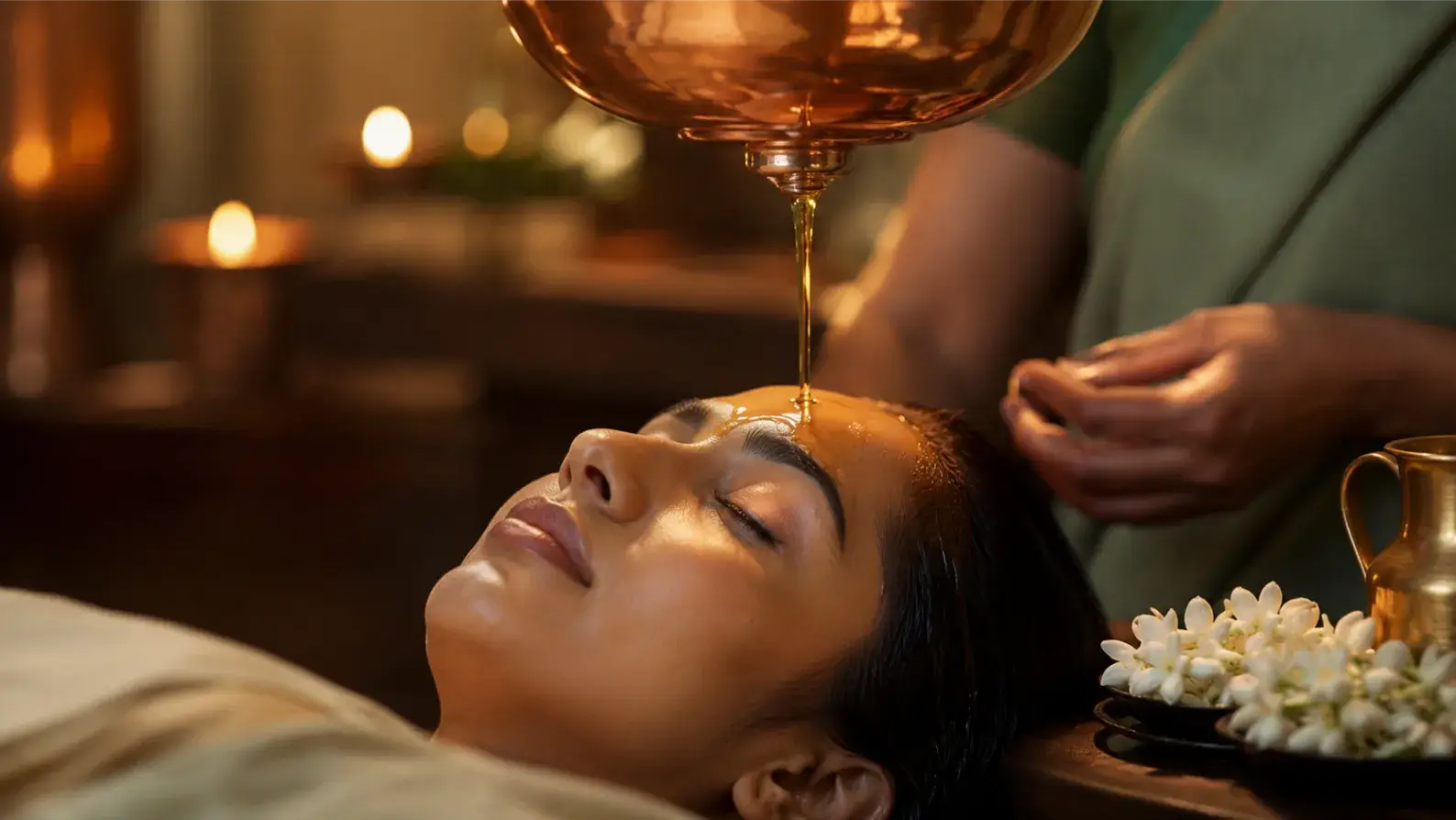
- Snehan (Oil Therapy): This involves the application of medicated oils both internally and externally. The process helps in softening the tissues and making the toxins ready to be eliminated.
- Swedana (Sudation Therapy): This involves induced sweating through steam therapy to open up the channels and facilitate the removal of toxins.
These treatments work synergistically to loosen and mobilize the toxins accumulated in the body, making them easier to eliminate during the main phase of Panchakarma.
2. The Pradhankarma: Main Phase
The Pradhankarma is the core of the Panchakarma therapy and involves the five primary actions designed to cleanse the body:
- Vamana (Therapeutic Vomiting): This process is used to expel toxins accumulated in the upper respiratory tract and the digestive system.
- Virechana (Purgation Therapy): Aimed at cleansing the liver and intestines, this therapy involves the use of herbal laxatives.
- Basti (Medicated Enema): This is a crucial therapy for detoxifying the colon and involves the administration of herbal oils and decoctions through the rectum.
- Nasya (Nasal Administration): This therapy involves the administration of medicated oils or powders through the nose, which is effective in clearing and purifying the head region.
- Raktamokshana (Bloodletting): Though not always included, this therapy involves the removal of small quantities of blood to detoxify the blood and treat various skin conditions.
3. The Paschatkarma: Post-Treatment Phase
The Paschatkarma phase is crucial for consolidating the benefits of the Panchakarma treatment and involves:
- Dietary Guidelines: Personalized dietary plans are provided to help in the gradual reintroduction of regular foods.
- Lifestyle Recommendations: Guidance on lifestyle practices, including yoga and meditation, to maintain the balance achieved through Panchakarma.
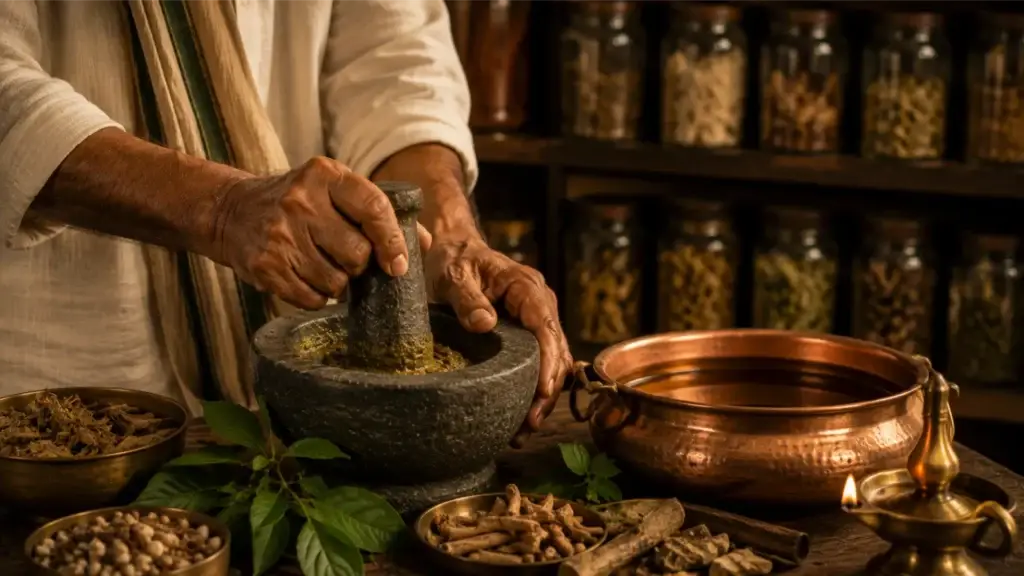
- Herbal Supplements: Prescriptions of Ayurvedic herbs to support and sustain the detoxification and rejuvenation processes.
This phase ensures that the benefits of the detoxification process are sustained, and the body and mind are gradually brought back to a state of equilibrium.
Experience the Transformative Power of Panchakarma Therapy at Sacred Lotus Retreat Centre
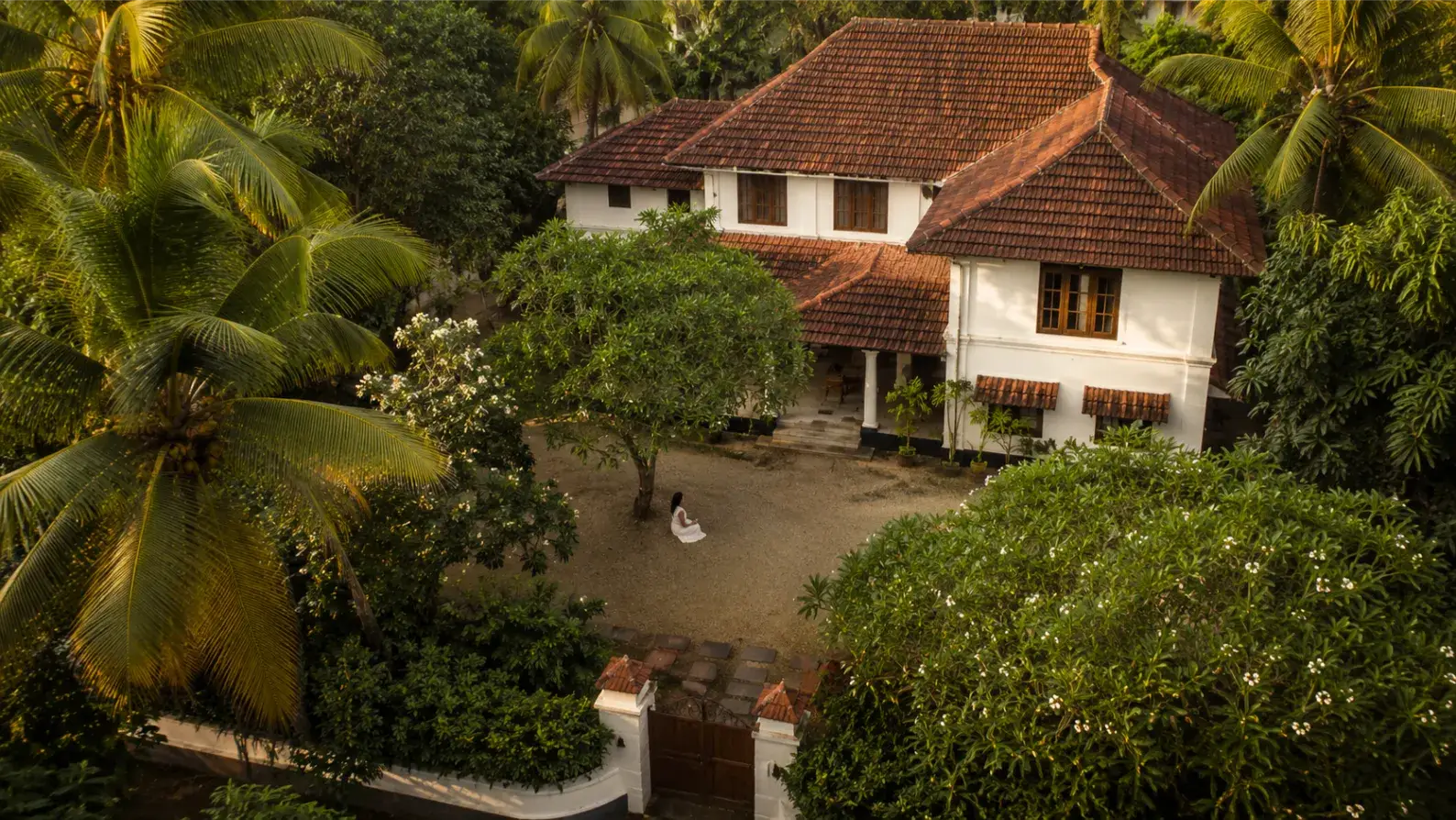
Embrace the transformative power of Panchakarma at Sacred Lotus Retreat Centre, where ancient traditions meet modern rejuvenation. Nestled in the tranquil heart of Kochi, our retreat offers a sanctuary for those seeking profound healing and revitalization. Our experienced practitioners, dedicated to authenticity and personalized care, will guide you through this ancient therapy, ensuring a deeply restorative experience that purifies the body, calms the mind, and rejuvenates the spirit.
Don’t wait to start your journey towards optimal health and inner peace. Visit Sacred Lotus Retreat Centre and rediscover the timeless wisdom of Ayurveda. Book your Panchakarma Treatment session today and take the first step towards a healthier, more balanced life.