
In our constant juggling and hustling life, it’s no surprise that many of us are drawn to the addiction of junk and fast food. We’re always on the go, striving for work, social responsibilities, and personal commitments. A quick burger or a slice of pizza seems like an easy option to solve our hunger pangs. But what about the aftermath? Bloating, indigestion, and a host of other health issues and concerns.
And when we face such health issues, what do we do? We reach for the nearest bottle of painkillers or antacids, seeking instant relief. But while these medicines provide temporary comfort, they don’t address the root of the problem. Instead, they often mask symptoms, allowing underlying issues to worsen over time, which is contrary to what Ayurveda does. Ayurveda aims at treating the root cause of the disease, aiming at complete relief from the same.
Panchakarma Therapy – A century-old detoxification and rejuvenation treatment derive it’s roots from Ayurveda, the traditional Indian system of medicine. Unlike quick fixes that offer only temporary relief, Panchakarma addresses the root causes of health issues, providing long-lasting benefits and full body detoxification.
So, what exactly is Panchakarma, and how does it work?
The Five Procedures of Panchakarma Therapy
- Vamana (Therapeutic Emesis):
- o What it is: This procedure involves induced vomiting to eliminate toxins from the stomach.
- o How it helps: By clearing out the upper gastrointestinal tract, Vamana helps in treating respiratory conditions like asthma, chronic colds, and skin diseases.
- Virechana (Purgation Therapy):
- o What it is: Virechana uses herbal laxatives to cleanse the small intestine and colon.
- o How it helps: This procedure is beneficial for liver disorders, gastrointestinal problems, and issues like piles and kidney stones.
- Basti (Enema Therapy):
- o What it is: Medicated oils or decoctions are administered through the rectum.
- o How it helps: Basti is highly effective in detoxifying the colon and is used to treat a wide range of conditions, including arthritis, constipation, and neurological disorders.
- Nasya (Nasal Administration):
- o What it is: Herbal oils and medications are administered through the nose.
- o How it helps: Nasya is effective for treating ailments related to the head and neck, such as sinusitis, migraines, and certain mental disorders.
- Raktamokshana (Bloodletting):
- o What it is: This procedure involves the removal of small quantities of blood to neutralize accumulated toxins.
- o How it helps: Raktamokshana is particularly useful for treating skin diseases, varicose veins, and certain types of hypertension.
Panchakarma Benefits
- Detoxifying the body: By flushing out the toxins from the body’s tissues, it helps in the complete detoxification of the body.
- Strengthening the immune system: It enhances the body’s natural defence mechanisms and builds a robust immunity.
- Improving digestion: It improves the metabolism and restores the balance of digestive enzymes and gut health.
- Enhancing mental clarity: Reducing stress and promoting mental well-being.
Experience the Panchakarma at The Sacred Lotus Retreat
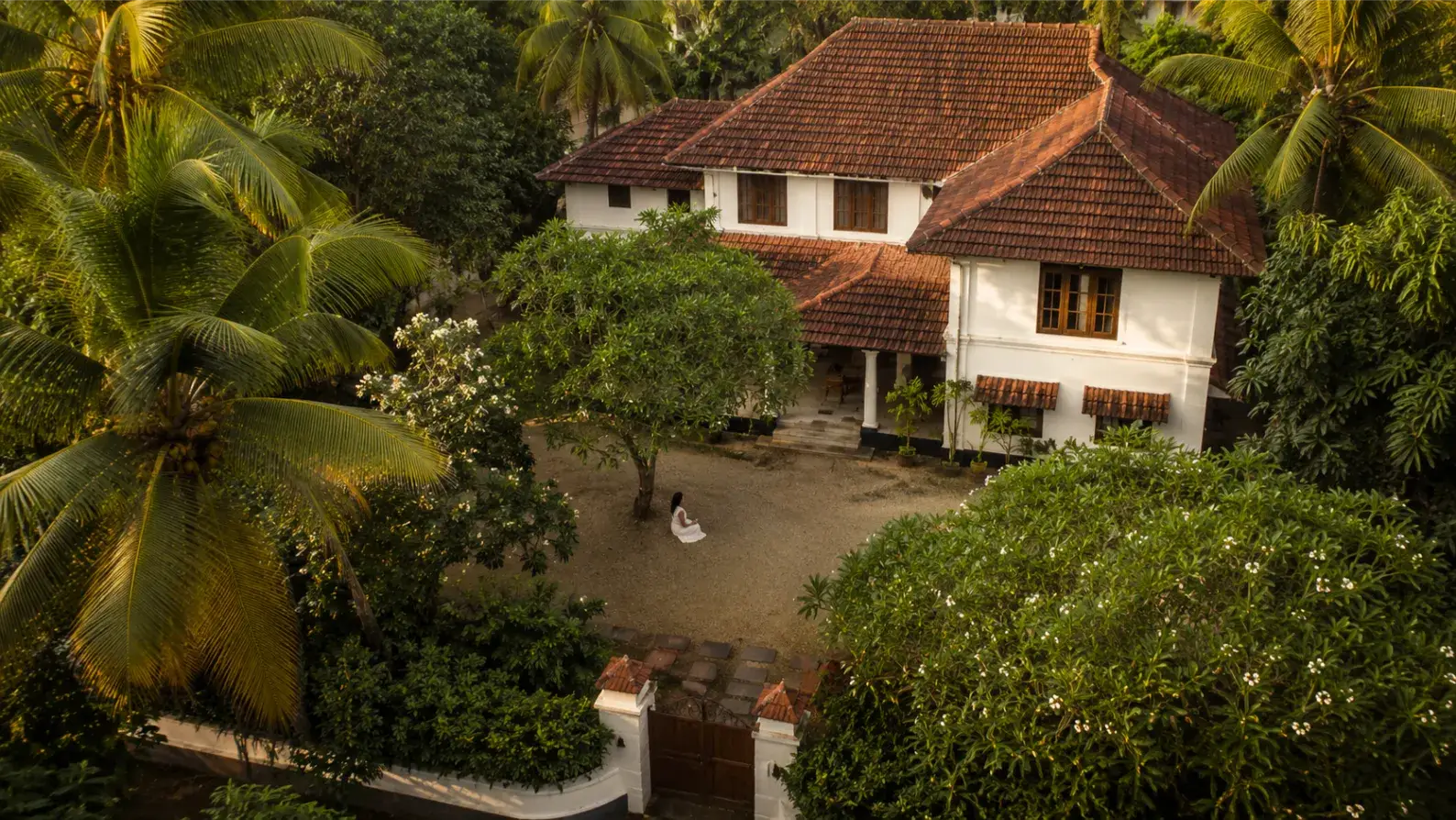
If you’re tired of temporary solutions and ready to start on a journey towards holistic health, Sacred Lotus Retreat is the best panchakarma retreat in Kerala to experience the transformative power of Panchakarma. Our Ayurveda retreat offers authentic Panchakarma therapy administered by experienced Ayurvedic practitioners.
By choosing Panchakarma, you’re not just opting for a treatment; you’re embracing a lifestyle that promotes long-term health and well-being. Visit us and rediscover the true meaning of health and harmony.